
Shape Shifting
So I'm writing a novel. Featuring mermaids?!

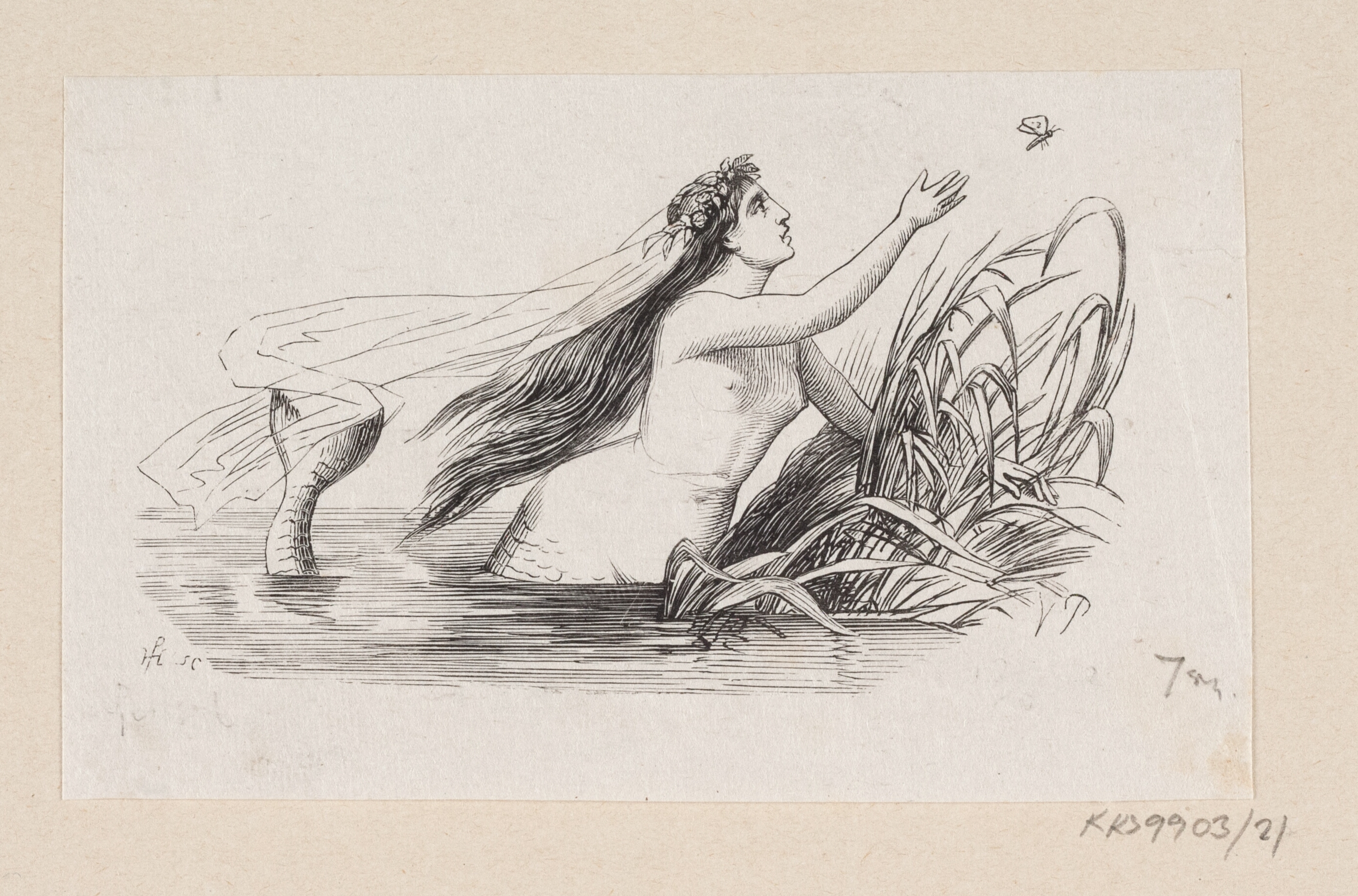
(This post is a four-minute read. To listen to instead, scroll to the bottom of the page.)
I’m writing a novel that began as a modern retelling of Hans Christian Andersen’s The Little Mermaid.
That isn’t a sentence I ever expected to write. You see, I’ve always found mermaids disturbing. I remember reading Andersen’s fairytale as a child and feeling a constricting horror over the voiceless mermaid and her endless, joyless sacrifices.
I didn’t grow up watching Disney princess movies. (My parents blessedly didn’t allow us to watch much TV. As a result, there are significant gaps in my pop culture knowledge, but also lots more childhood time spent in imaginative play, being outdoors, and developing an unshakeable love of reading.)
It wasn’t fairytales I had a problem with. My parents read plenty of old fairytales to us, and I loved their dark, dramatic twists and fantastical elements.
Of all fantasy creatures, I probably have more affinity for dwarves and elves (thanks, Tolkien). But mermaids? The thought elicits that silent figure I read about as a child. The young mermaid who transformed her physical body and endured incredible pain just to be loved, yet that love was never returned.
Across cultures and centuries, people have concocted these beautiful, idealized, not-quite-human water women with xenophobic fascination and fear—some as temptresses, others as rescuers.
Stuck on ship prows and Starbucks cups. Perpetually young, perpetually naked. Rarely seeming to have voices of their own, mermaids are commodified to teach morals, bring good luck, or sell more coffee.
So why am I writing a mermaid book?
Well, in case you haven’t noticed, this particular motif strikes a nerve in me. It touches on a lot of the themes I think about all the time: women’s issues and experiences and how they’re portrayed in storytelling, gender dynamics between sexes, the visceral feeling of wanting to get out of one’s own body and experience another’s.
The process of arriving at this particular novel has been anything but straightforward. It began with a compulsive urge to begin writing memories from my childhood. (I’m not much of a journaler, so when the desire popped up, I thought I should probably listen.)
That led me to discover “The Art of Personal Mythmaking,” a course by storyteller and coach Janelle Hardy. Her approach weaves one’s personal story with the structure of a chosen fairytale; a playful, whimsical idea I absolutely love.
Remembering my childhood gut reaction, and not wanting to overthink it too much, I chose to work with The Little Mermaid. As I began digging deeper into the fairytale and my own childhood, I started itching to go to places my own story didn’t cover. I began wanting to play, to explore, to expand and create my own little mermaid world.
I’ve begun several novels. I even finished one when I was in high school. But I’ve been hesitant to start another, partly because all of my professional writing in the past decade has been nonfiction.
Yet this story charged at me, and I couldn’t say no. It presented the perfect mix of everything I wanted: a story rich with themes and motifs that have timeless resonance and lots of opportunities to excavate my own pain points around gender. Plus the mermaid element offered a playful irony that would remind me not to take myself too seriously.
All creation is an act of trust and mystery. I am still in the early stages of tending to this wild and weird idea, which is turning out to be a shape-shifter, just like a mermaid. It’s morphed far beyond that original idea of a modern fairytale retelling. I’m not used to projects changing shape this much, and that made me really anxious at first. I worried it would never settle into something tangible and that I’d end up chasing air. But it has at last settled into something that’s slowly finding form.
Here are two things I’m learning:
If I keep pursuing a thread that interests me, following it’s curves and shifts, and sticking with it through the murk and frustration, I’ll get something with weight and shape on the other side of it. Of course it will need lots of refinement, but it’ll be something I can work with.
I don’t believe in perfect ideas. I don’t care about finding “the idea” that becomes some kind of defining life project. What a crushing expectation. I’m writing this book for fun. I’m writing because I love writing, because I have a story to tell, and because when I think about getting it out on the page, I get an actual ache inside my chest. A “just get on with it” kind of ache. So that’s what I’m doing.
Have you ever encountered a shape-shifter project? What are you learning from it? Feel free to share in the comments! :)
Yes, this audio is AI generated.
Your account of the shapeshifting process gives voice to the way a creative thread pulls us forward into worlds unimaginable—until after we get started. The twists and turns that lure us onward then prove to be so unexpectedly soul-satisfying.
Excited to see what continues to unfold.
So grateful to be in the wings as the shape of your creativity shifts, love. Steady on.